
Artificial Intelligence (AI) is transforming our world at lightning speed. Just a few years ago, we were dabbling with AI chatbots and voice assistants, and now we’re witnessing generative AI tools creating stunningly realistic images, engaging conversations, and even entire software applications. As we look ahead to 2025, the pace of innovation is faster than ever, making it crucial to stay updated on the latest AI trends—it’s not just a nice-to-have anymore; it’s a must.
In this blog post, we’ll dive into the leading AI trends for 2025, explore how they’re revolutionizing various industries, and discuss what they mean for businesses, creators, developers, and everyday users alike.
Why You Should Pay Attention to AI Trends in 2025
Before we jump into the specific trends, let’s take a moment to understand why keeping an eye on AI trends is so important:
- It helps you future-proof your career or business
- It keeps you one step ahead of your competitors
- It allows you to grasp the shifts in tech-driven markets
- It leads to smarter decisions when it comes to adopting AI tools.
Now, let’s dive into the AI trends that are set to make waves in 2025.
Generative AI Becomes Mainstream
One of the most striking and game-changing AI trends we’re seeing in 2025 is the surge in generative AI. Tools like ChatGPT, Gemini, Claude, and Midjourney have quickly evolved from being just cool gadgets to essential parts of our daily lives in just a few months. By 2025, generative AI will be seamlessly woven into our everyday routines and work environments.
What’s Changing:
- The text, images, videos, and music produced by AI will be even more lifelike and sophisticated.
- Businesses will harness AI to whip up content for blogs, social media posts, ads, and customer support.
- Creating videos from text prompts will become easier and more imaginative.
Real-World Example:
Marketing teams will leverage AI to craft entire advertising campaigns—complete with text, visuals, and videos—all customized for different audiences in a matter of minutes.
AI Will Become Emotionally Intelligent
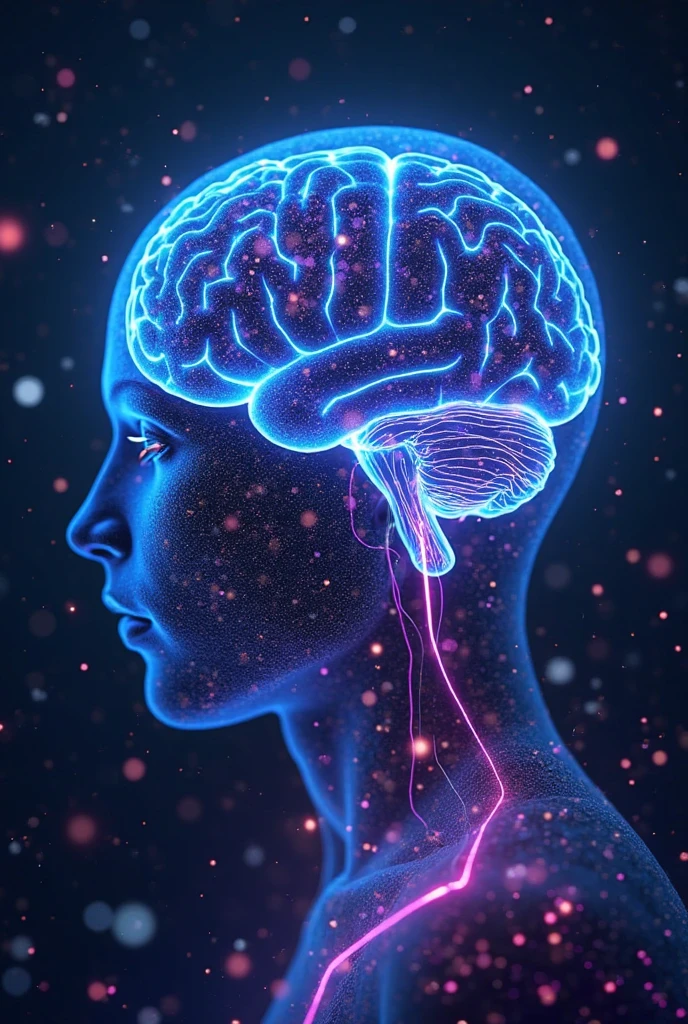
In 2025, AI will evolve beyond just understanding language and images; it will start to grasp human emotions too. This exciting development, known as affective computing, is shaping up to be one of the most human-focused AI trends to keep an eye on.
What’s Changing:
- AI systems will be able to interpret facial expressions, vocal tones, and the sentiment behind text to gauge how people are feeling.
- Emotional AI will find its way into customer service, therapy applications, education, and even gaming.
- Businesses will harness AI to tailor user experiences more effectively by considering emotional states.
Why It Matters:
Emotion-aware AI can significantly improve how we interact with technology, lessen frustration during support interactions, and even assist in monitoring mental health.
AI Ethics, Bias, and Regulation Take Center Stage
As AI continues to evolve at a breakneck pace, we’re seeing a surge in ethical concerns and regulatory demands. One of the key trends shaping AI in 2025 is the worldwide movement towards responsible AI practices.
What’s Changing:
- Governments are stepping up to ensure AI is transparent and accountable. Take the EU AI Act, for instance; it categorizes and regulates AI applications based on their risk levels.
- Businesses are now prioritizing the hiring of AI ethics officers, implementing auditing systems, and focusing on explainable AI.
- Tools for detecting bias and ensuring fairness are set to become standard in how enterprises deploy AI.
Why It Matters:
Without proper regulation, AI can perpetuate bias and spread misinformation. By 2025, companies will be evaluated not only on the AI technologies they adopt but also on how responsibly they implement them.
Multimodal AI Systems Take Over
Another exciting trend we’re seeing is the emergence of multimodal AI—these are systems that can understand and create various types of data, like text, images, videos, and sounds, all at once.
What’s Changing:
- With tools like GPT-4o and Gemini 1.5, you can now work with text, voice, visuals, and code all in a single prompt.
- AI can respond to a photo, an audio clip, and a written question in one smooth interaction.
- Multimodal AI is set to enhance advanced virtual assistants, real-time educational apps, and creative tools.
Real-World Application:
Imagine you upload a photo of a broken appliance, and the AI not only diagnoses the issue but also walks you through the repair process with a video—all in one go!
AI in Cybersecurity and Threat Detection
As cyber threats become increasingly sophisticated, AI is stepping up as both a weapon for attackers and a shield for defenders. By 2025, one of the most crucial trends in AI will be its application in real-time cybersecurity.
What’s Changing:
- AI systems are set to spot anomalies, breaches, and phishing attempts much quicker than human analysts ever could.
- Cybersecurity platforms will harness AI for automated responses and defense strategies.
- On the flip side, cybercriminals might also leverage AI to create more sophisticated phishing schemes and malware.
Key Takeaway:
AI is shaping up to be the next major front in the cybersecurity arena—it’s crucial for businesses to stay ahead of the curve by investing in AI-powered defenses.
AI Democratization and Low-Code/No-Code Tools
In 2025, AI is stepping out of the shadows of engineering and becoming a tool for everyone. One of the most thrilling trends is how accessible it’s becoming for non-techies, thanks to user-friendly, no-code interfaces.
What’s Changing:
- Now, business teams can whip up custom chatbots, analytics dashboards, and AI workflows using simple drag-and-drop tools.
- Platforms like Zapier, Bubble, and Glide are rolling out AI blocks and widgets to make this even easier.
- Small businesses and solo entrepreneurs can now launch AI-driven solutions without needing to hire a developer.
Why It Matters:
This shift paves the way for everyday users to innovate—not just the big tech companies.
AI + IoT = Smarter Living
The Internet of Things (IoT) and AI are becoming two sides of the same coin. This exciting trend is all about weaving together sensors, data, and intelligence into the fabric of our daily lives.
What’s Changing:
- Smart homes are on the verge of becoming genuinely “intelligent”—automating everything from lighting and climate control to appliances and energy consumption.
- Wearable technology will be able to spot health issues before they become serious.
- Cities will harness the power of AI and IoT for managing traffic, waste, pollution, and enhancing security.
Cool Use Case:
Imagine AI-powered sensors in your fridge that keep tabs on what you’re running low on and automatically order your groceries for you!
Final Thoughts: What the Future Holds for AI in 2025
As we’ve explored, the leading AI trends in 2025 cover a broad spectrum—from emotional intelligence and creative co-pilots to personalized learning and ethical frameworks. AI has stepped out of the shadows and is now a central part of our daily lives, transforming the way we work, learn, create, and connect with one another.
Whether you’re a business owner, a tech enthusiast, a content creator, or just someone navigating everyday life, keeping up with these AI trends is essential for adapting, thriving, and taking the lead in an AI-driven world.